High speed internet can be a game-changer when it comes to running your business. If you live and work in a rural area, connectivity can also have a transformative effect on the community as a whole.
With high-speed internet — especially the speed and reliability offered by a fiber-optic connection — rural populations can enjoy the same benefits larger markets reap: from increased economic growth to more educational opportunities to easier access to healthcare.
"Shared fiber" technology, PON, or Passive Optical Network, is opening up new opportunities for connectivity in rural areas, making reliable, high-speed internet available to businesses and organizations at a fraction of the cost of dedicated fiber networks.
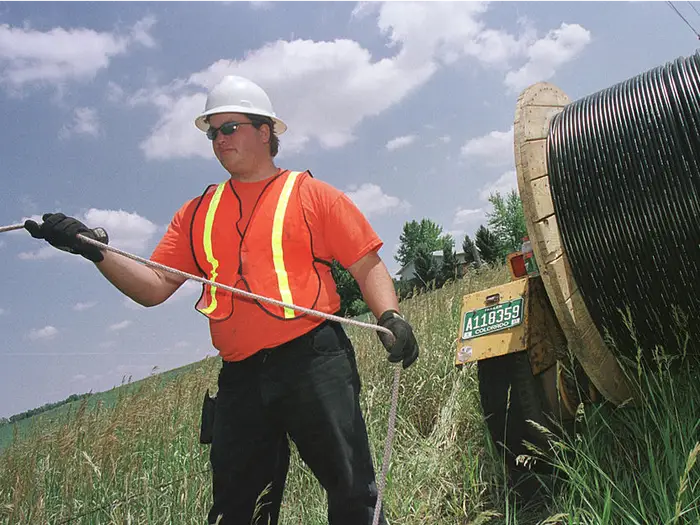
Why Shared Fiber? Until recently, fiber-optic connectivity required a separate fiber from the internet source to each end-user. PON uses a single optical fiber to support multiple users, splitting the fiber at locations closer to the end user. As a result, PON takes significantly less infrastructure than dedicated fiber construction — which means lower construction and materials costs.
1. Strengthens Businesses. High-speed internet makes businesses more competitive, leading to increased profits and productivity. It opens new sales markets and enables technology that improves communication with customers, co-workers and suppliers.
2. Drives New Business. Access to high-speed internet is a major factor when businesses look for a new location. Studies show broadband access leads to more businesses moving into a rural area.
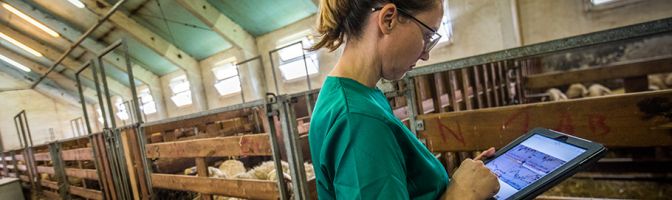
3. Smart Agriculture. Farmers gain access to precision agriculture and remote monitoring equipment, enabling them to optimize irrigation, conserve resources, and increase yields.
4. Improves Healthcare. With high-speed internet, a community gets the bandwidth needed for telemedicine — videoconferencing, video-on-demand, radiology and telepathology — giving rural patients access to specialists and advanced monitoring services.
5. Advances Education. Students gain increased opportunities, specifically in science and math. More people can take online college courses, and younger students can do schoolwork from home.
6. Increases Civic Engagement. Rural areas with high-speed internet report higher levels of civic involvement, including increased political and community participation.
Getting access to high-speed internet can be crucial to a community's economic and social success. As rural businesses become more productive and thrive, so does the community's economy — and the effects can be felt across an entire region and even state.
This article is shared for informational purposes. Full reporting and rights belong to Sparklight.