Unserved and underserved communities in the United States deserve the same opportunities for high-quality internet connectivity that larger, urbanized areas currently enjoy. Fiber optic cabling can improve the economy, advance education, and boost digital inclusion in rural areas.
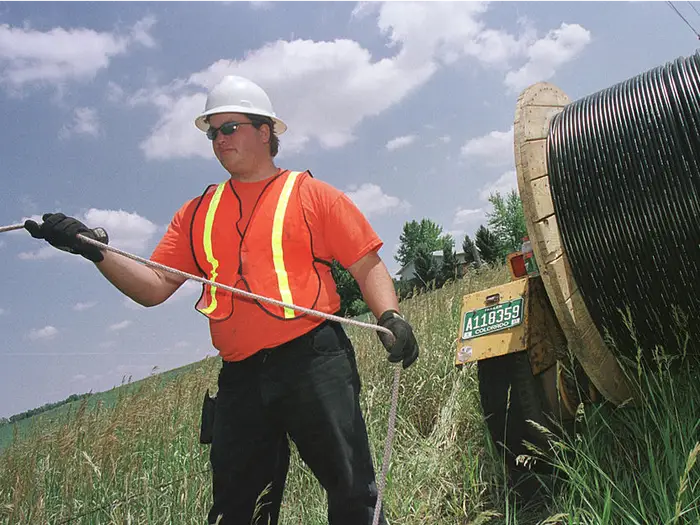
The current push to build out the nation's fiber network for 5G, plus an increase in federal grants and other funding sources, is making high-speed internet attainable for the most rural communities. Here are the biggest ways fiber-to-home networks are transforming rural areas:
1. Strengthen Businesses. High-speed internet helps companies compete in a variety of ways, resulting in higher revenues and productivity. Rural broadband enables new technologies that improve communication with customers, staff and suppliers, and supports remote employees.
2. Advance Education. Students have more opportunities with high-speed internet, leveling the playing field with peers elsewhere — particularly in science and math. Fiber networks unlock faster uploads and downloads, access to online resources, protection of sensitive data, and stronger security systems.
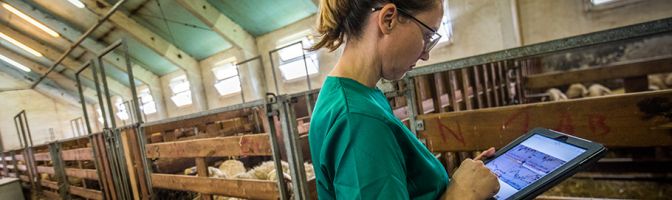
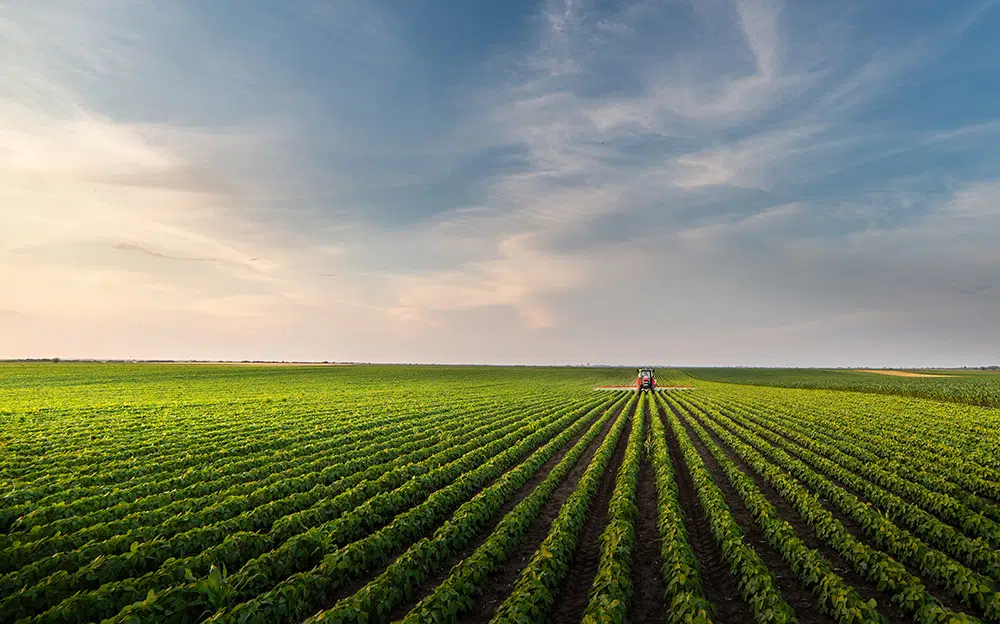
3. Enable Smart Agriculture. High-speed internet powers precision irrigation, automated greenhouse climate management, high-tech soil and water sensors, and GPS tracking. Farmers who use these technologies report up to a 40% increase in crop yield, while saving up to 85% in water and 50% in energy.
4. Improve Healthcare. High-speed internet provides the bandwidth for telemedicine — connecting remote patients with healthcare professionals and monitoring services. Benefits include improved patient access, distance collaboration between medical teams, enhanced emergency care, real-time vital-sign monitoring, and secure data transmission, since fiber is difficult to hack and resistant to interference.
This article is shared for informational purposes. Full reporting and rights belong to V1 Fiber.