
Rural states likely to benefit the most from funds to improve broadband access
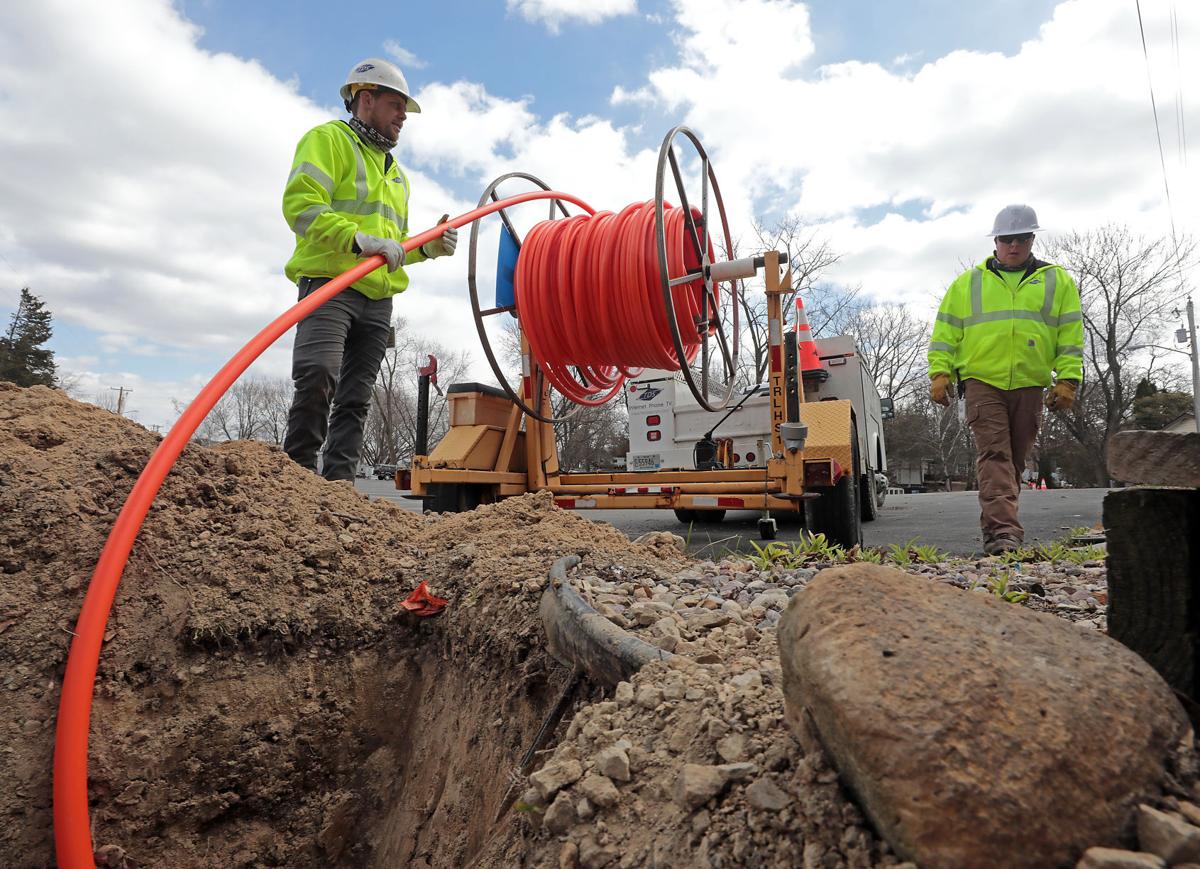
This week, the White House said how it will divide $42 billion that Congress set aside to improve broadband internet access among the states. This funding from the government will likely have the biggest impact in conservative, rural areas.
Speaking in the Rose Garden, President Joe Biden likened the initiative to the 1936 Rural Electrification Act. "Today, Kamala and I are making an equally historic investment to connect everyone in America — everyone in America — to high-speed internet, and affordable high-speed internet, by 2030."
Most places in America that lack high-speed internet are rural. Fewer than 6% of Montanans have access to fiber-optic service, says Tyler Cooper, with the research and advocacy group BroadbandNow. He agrees the Infrastructure Act funding is historic: "It is the most holistic approach to closing the digital divide in the U.S. ever."
Lots of Republican senators from rural states voted against the Infrastructure Act, but rural Republican governors are embracing the broadband money. "Broadband access, at this point, is seen as vital to economic development," said Eric Raile, who teaches political science at Montana State University. "There seems to be real demand for it in rural areas, which feel like they've been left behind in some respects."
Montana's governor, Greg Gianforte, says broadband is crucial for good-paying jobs, education and affordable health care. Montana is set to get more than $600 million.
Tyler Cooper with BroadbandNow says previous funding often didn't reach those most in need because internet companies decided where to expand their networks. This funding, he says, is different: "It takes a state-centric approach to the issue for the first time."
Now each state will be required to craft plans with public input and get federal approval before the money is distributed. "Handing the reins to these state broadband offices and having them in charge of putting together a plan with local communities is just about the best way I could think of to try and make this more effective."
Among states set to receive more than a billion dollars each to expand broadband are Alabama, Alaska and West Virginia.
This article is shared for informational purposes. Full reporting and rights belong to NPR.